


By Paul, Founding Editor
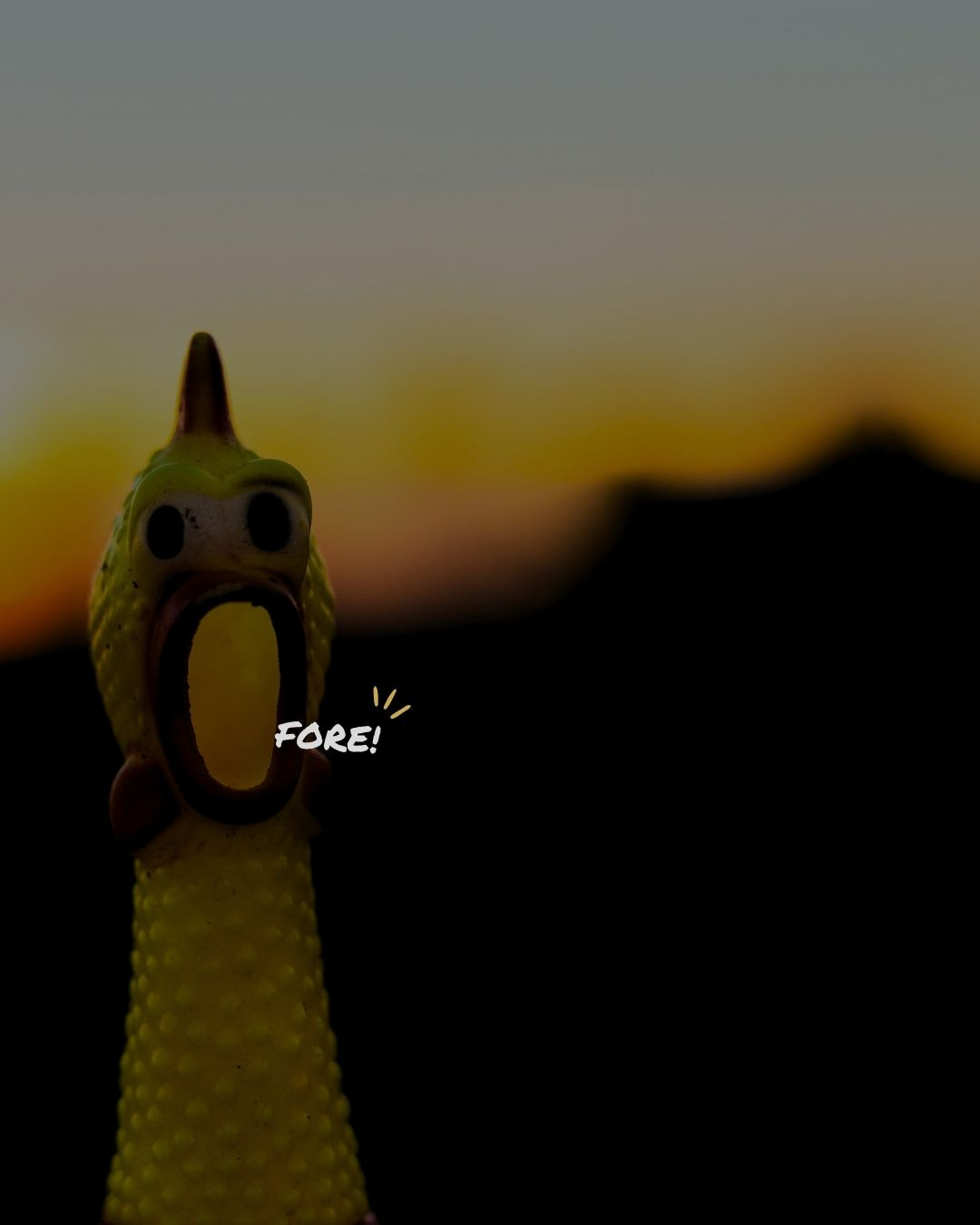
I spent my whole first year worrying there was some system to it. Fore left, fore right, rules I hadn’t learned yet, and a fear that I’d shout the wrong one, or shout it too late, in front of people who’d been playing for decades.
There wasn’t a system. It was seven years ago now, so I can’t tell you the first time I heard it, but I do remember how it worked. My friends shouted it for me. If my ball cleared the trees, one of them would call it out before I’d thought to, because they’d played those courses before and knew where the other tee boxes were. They had the awareness and the etiquette, and I just had the club. A friend called it out whenever a ball looked like it might reach someone, and that was it. I’d spent twelve months overthinking something that simple.
What stayed with me is how nobody explains it. Golf teaches you the swing, the grip, the stance, and then leaves the one word every golfer has heard shouted to you to work out on your own. So this issue is what I found when I looked at it properly: where the word comes from, whether it’s a rule at all, and what it’s really for.
Is shouting ‘fore’ a rule?
No, and the highest court in New York has said so directly. A golfer was hit while searching for his own ball, after another player’s shot went wrong nearby. He sued, arguing the other player should have shouted a warning first. The case, Anand v. Kapoor, ended in December 2010 when the state’s Court of Appeals unanimously threw it out, calling being hit “a commonly appreciated risk of golf.” Shouting first is courtesy, not law. Nobody has ever been legally required to say it.

How dangerous is a golf ball, really?
Less than the word’s reputation suggests. In the United States, a study of emergency room data from 1990 to 2011 found around 30,000 golf-related injuries a year, and about 16% of them were caused by being struck by a ball. That’s roughly 4,800 a year. Set that against the 500 million or so rounds played a year at around 100 shots each, and it works out at somewhere near 1 in 10 million shots ending with someone in hospital. That last figure is my own estimate, built from public rounds-played numbers rather than a number anyone has published, so treat it as a rough size, not a precise count. Across the injuries in that same study, 93.7% ended with treatment and a trip home the same day.
So the odds were never the reason people shout it.

Where does the word “fore” come from?
Nobody agrees, including golf’s own governing bodies. The USGA, golf’s American governing body, says on its own history page that it’s a military warning cry, from the word used to tell soldiers to get out of the way of artillery fire. Scottish golf historians say it’s really a worn-down “forecaddie” call. A forecaddie was the person sent ahead down the course to spot where balls landed, and players shouted to warn them to look out. Neither side has settled it, which is a strange thing to be true of golf’s most shouted word.
When are you supposed to shout it?
If it looks like your ball might reach someone, you shout. Nothing in that depends on how bad the shot was, only on where it’s headed.
Here’s the part that would have saved me a year of worry. The real trigger is a ball travelling further or curving more than you’d expect, which makes it mostly a concern for longer, straighter hitters, not for new players. A beginner’s bad shot usually doesn’t travel far enough to reach anyone. The further and straighter you hit it, the more this becomes your job. The fear I carried around it was mostly aimed at the wrong person.
What should you do when someone shouts it at you?
Don’t try to find the ball. You won’t. Turn away from the shout, cover your head and neck with your arms, and take cover if there’s something nearby to take cover behind. It’s the same response whether you hit the shot or just heard someone else’s. And if you want to know what the extras are, fore left and fore right do exist, but they’re optional, and you don’t need to learn them before you play.
The Heads Up
Hearing someone shout it means they caught the danger in time and did something about it. It’s not the word that’s dangerous. It’s the silence, the moment a ball is heading somewhere it shouldn’t and nobody says anything at all. So I don’t flinch at the word anymore. To me it’s the sound of a stranger looking out for you before you even knew you needed it, and it survives for that reason alone, because there’s no rule making anyone do it.
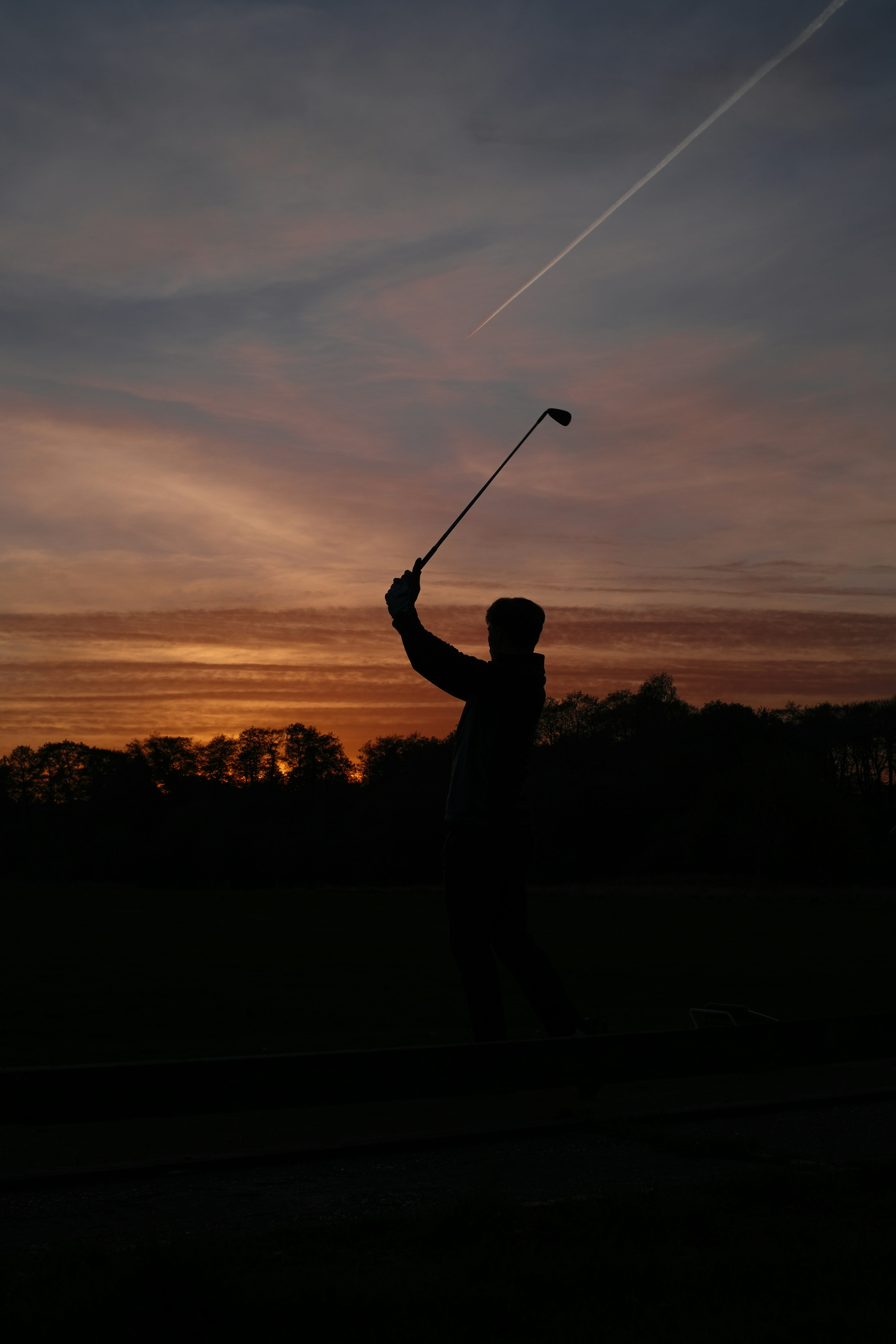
If you’ve ever shouted fore without quite knowing why, or felt too embarrassed to ask what it means, I’d like to hear about it. Drop a comment: what’s the golf word or rule you were too worried to ask about when you started?
Previously in Room 19:
Issue 012 | The Misread, on the handicap system most people mistake for a scale of shame.
Issue 013 | The Wall, on what decides who feels welcome in a clubhouse before anyone’s said a word.
Issue 014 | The Icebreaker, on why off-course golf is becoming a faster, more honest way to get to know someone.
Personal Story | Is Golf Too Laddy, on where golf’s laddish energy tips from fun into something that pushes people out.
I started Room 19 because I wanted golf writing that treated the game the way the culture magazines I actually read treat everything else, properly, not as tips, gear reviews and FOMO shots of golf courses.
Paul is the founding editor of Room 19, a golf brand telling the untold stories of the game for people who found it through culture, not the clubhouse. He took up golf at 37.
Find Room 19 on Instagram and TikTok.
Quick answers
Is shouting “fore” a rule in golf? No. New York’s highest court ruled in 2010 (Anand v. Kapoor) that being hit by a stray ball is “a commonly appreciated risk of golf,” and that shouting a warning first is courtesy, not a legal duty.
Where does the word “fore” come from? It’s disputed. The USGA says it’s a military warning cry from artillery use. Scottish golf historians say it’s a shortened “forecaddie” call. Neither has been settled.
How often does a golf ball hit someone badly enough to need hospital treatment? In the US, about 4,800 ball-strike emergency room visits a year, from a study covering 1990 to 2011. Set against roughly 50 billion shots a year, Room 19 estimates that’s around 1 in 10 million shots.
When should you shout “fore”? Whenever your ball looks like it might reach someone. It’s about where the ball is headed, not how bad the shot was, and it matters most for longer, straighter hitters.
What should you do if you hear someone shout “fore”? Don’t try to spot the ball. Turn away, cover your head and neck with your arms, and take cover if you can.
Sources: Anand v. Kapoor, New York Court of Appeals, decided 21 December 2010 (15 NY3d 946), quote “a commonly appreciated risk of golf,” via CBS New York and Fox News. Golf injury data (about 30,158 average annual emergency room visits, 16.0% from ball strikes, 93.7% treated and released), Walsh et al., “Golf-related injuries treated in United States emergency departments,” The American Journal of Emergency Medicine, 2017, covering 1990 to 2011, via em-consulte and the journal listing. The “1 in 10 million” figure is Room 19’s own estimate: about 500 million US rounds a year, working midpoint of NGF figures, via NGF’s rounds played page, times about 100 shots a round, per NGF’s own estimate in Who’s Keeping Score?, divided by roughly 4,800 ball-strike visits a year. Realistic input ranges keep the result between about 1 in 9.7 million and 1 in 10.8 million. It is US data only. The origin of “fore”: the military and artillery theory per the USGA’s history FAQ, the forecaddie theory per Scottish Golf History, overview via Wikipedia. Guidance on what to do when you hear “fore” (turn away, cover your head, take cover) via Caddie AI and The Left Rough, general golf guidance rather than a single official rulebook. The same goes for the point that distance and curve are the real trigger for shouting. The opening, about spending a first year worrying about a system that wasn’t there and friends shouting it on his behalf, is Paul’s own first-hand account, told from memory seven years on.