


By Paul, Founding Editor, +20 Handicap
Issue 009 | The Overexposed
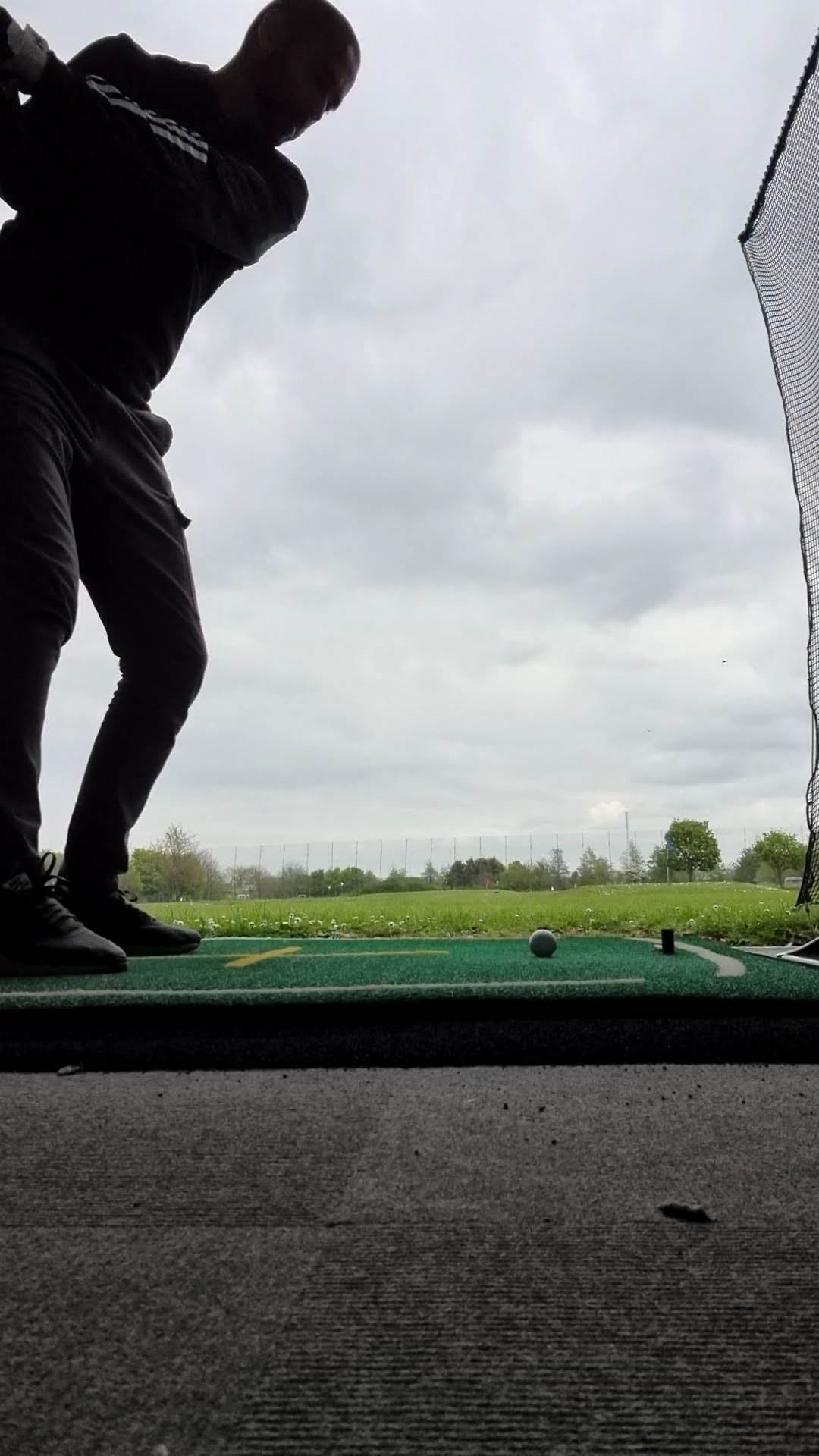
The short version: the golf on your feed and the golf on the range are two different sports. One is flawless tempo and perfect turf. The other is shanks, stiff hips and a three putt you laugh off with whoever's next to you. England Golf's own figures put the average handicap at 19.37, which is another way of saying most golfers are nowhere near what the feed shows. Looking good online was never the same as playing good golf, and the gap between the two is wider than anyone's admitted.
I don’t post my swing. Watching it back is hard enough on my own, a phone propped against the golf bag, replaying the same stiff hips and mistimed downswing in slow motion. Handing that same footage over for anyone else to watch feels like a different level of exposure altogether, one flaw I already know about, on display for people who don’t need to see it.
I don’t think that’s just a personal hang-up. I think the flood of polished swing content is doing the opposite of what it’s meant to. It’s not pulling more people toward the course, it’s pushing them away from it, just in two different directions depending on where you already are in the game. Beginners see the finished version and write themselves off as not good enough before they’ve had a proper go. High handicappers absorb enough tips and slow-motion breakdowns to end up standing over the ball mid swing, thinking about eight different things at once, worse off than if they’d never watched any of it.
Is the golf you see online actually the golf being played?
Open any golf feed and it’s the same world every time. Perfect swings, perfect grass, every shot landing exactly where it was meant to. Then you get to the range and somehow it’s a completely different game. You don’t need a study to feel that gap, you’ve probably felt it standing over your own ball wondering why your swing doesn’t look like the one you just scrolled past. But the gap is real and measurable too. England Golf’s national figures put the average handicap at 19.37. That’s not a beginner’s number, that’s the actual midpoint of the sport, and it sits nowhere near what a feed full of highlight swings would have you believe is normal.
So does everyone actually have a perfect swing?
No, and most people only ever see the posted one. Two different rounds are happening at once, one gets played and one gets posted, and they’re rarely the same round. That’s not a criticism of anyone posting their best shot, it’s just worth naming plainly. What you’re scrolling past is a highlight reel filtered down to the moments worth sharing. What’s actually happening on the course, for the vast majority of golfers, is the 19.37 version, not the reel.
Why doesn’t the average golfer post their round?
Because golfers today know more than they ever have and it hasn’t closed the gap. There are more lessons, more tips, more slow-motion swing breakdowns available than at any point in the sport’s history, and the average handicap still sits at 19.37. Knowing more about the swing was never the same as owning one worth posting, and most golfers seem to have worked that out for themselves, even if nobody’s said it out loud.
What do the people who actually teach golf make of this?
“More educated than ever. No better at diagnosing their own swing,” says Tony Ruggiero, a GOLF Top 100 Teacher, on the gap between how much golfers now study the swing and how little that’s changed their own. It’s the clearest version of the whole thesis from someone who watches it happen lesson after lesson. Katie Dawkins, a PGA Professional, sees the same pattern from the other side of it: “Keeping it real is what’s growing the sport now.” Two coaches, two different vantage points, landing on the same read, that the polished version isn’t what’s actually pulling people into the game or keeping them in it.
So which version of golf is actually worth joining?
Not the one on the feed. Nobody starts out perfect, and the golfers who keep coming back aren’t chasing a highlight reel, they’re just having a good game with people they like. That’s the whole case for the real version over the posted one, imperfect swing and all.
Your own swing
The feed was never lying exactly, it was just only ever showing one version of the game. Golf’s most photographed swing isn’t the one being played, most weeks, by most people, on most courses.
If you’ve got a swing you don’t post because it doesn’t look like the ones you scroll past, you already know the exact feeling this piece is trying to name. Tell me about it in the comments, what you didn’t post and why. Someone reading this has never once compared their own game to a feed and come out feeling worse for it. I’d like to know if that’s actually true.
Sources: England Golf’s published national average handicap figure of 19.37.
Tony Ruggiero and Katie Dawkins quotes via Room 19’s Issue 009 carousel.
Previously in Room 19:
Issue 006 | The ReRun, on golf’s fashion moment and its 1977 football-terrace origins
Issue 007 | The Hidden Room, on watching golf’s biggest moments alone when a shared room was already out there
I started Room 19 because I wanted golf writing that treated the game the way the culture magazines I actually read treat everything else, properly, not as tips, gear reviews and fomo shots of golf courses. If you want the next one first, subscribe below.
Paul is the founding editor of Room 19, a golf brand telling the untold stories of the game for people who found it through culture, not the clubhouse. He took up golf at 37. Find Room 19 on Instagram and TikTok.
Quick answers
What is the average golf handicap?
England Golf’s published national figure is 19.37, well above what most golf content on social media would suggest is typical.
Why does golf content online look so different from real golf?
Feeds favour highlight moments, flawless tempo, clean turf, a shot landing exactly where it was meant to. Most rounds, played by most golfers, look nothing like that, closer to the 19.37 average than to a highlight reel.
Does knowing more about the golf swing actually lower your handicap?
Not on its own. Coaches quoted in this piece note that golfers are more educated about the swing than ever through lessons and online content, without that translating into better self-diagnosis or lower scores on average.
Who are Tony Ruggiero and Katie Dawkins?
Tony Ruggiero is a GOLF Top 100 Teacher. Katie Dawkins is a PGA Professional. Both are quoted in Issue 009 on the gap between golf’s polished online image and the real game being played.